There is so much science behind fund development. You can study it, take courses in it, and read books on it. Campaigns have become honed regarding best practices; there are easy steps to put into place, materials to be created, and people to be engaged.
The one thing that I have come to realize, though, is that one part of fundraising is science and the other is art. And, what is that other? Well as a regional consultant, one thing that I notice that makes a tremendous difference is the culture of place. That is why I firmly believe that consultants need to adopt the old “in residence” model. They need to live and breathe a community and get to know and 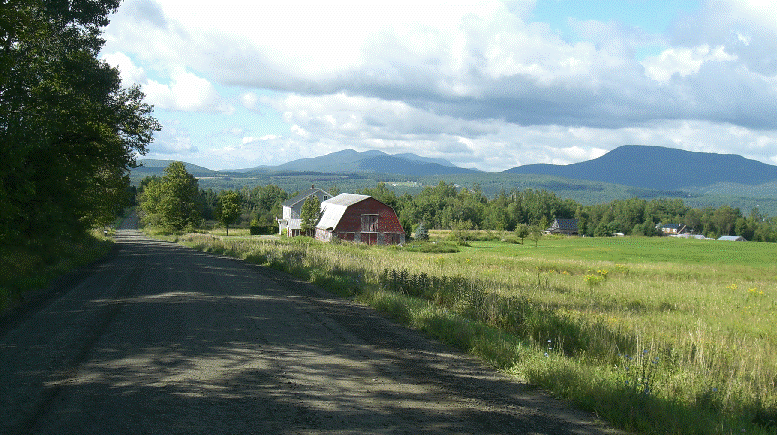 understand its nuances. Then and only then will a campaign be successful.
Currently, I have three different clients from three distinct geographic areas. One is for the Stamford area of Connecticut, one is from the Greater Providence area, and the other is from a rural village in Vermont. I could not stress the dichotomy between these clients and it all has to do with the culture of place.
In Connecticut, life is fast-paced and hectic. Projects move quickly. And, the population is so very significant that one tends to blend in with the community without being noticed. In Rhode Island, everyone knows everyone; it is the smallest state in the Union. There is a high degree of competition for funding from a limited donor pool, and people treat each other like family. It is all about who you know. In Vermont, very different. Life in a village is remote. The nearest store is 45 minutes away, sometimes up and over the mountain, you rely on and bond with your neighbor, and it is not about who you know, it is about what you know about those that you know.
Culture of place. If you don’t begin to understand it, you will not be successful. The culture of place is how fundraising art meets science, and the magic of campaign success happens. Ignore it and try to forge ahead without addressing or understanding, and your campaign is doomed to fail.
For those nonprofit organisations wanting to hire someone who works from a remote location and who will not commit to finding someone who can spend time “in residence” then think again. While all the degrees in the world, equate to know how it does equate to campaign success. An understanding of the culture of place does.
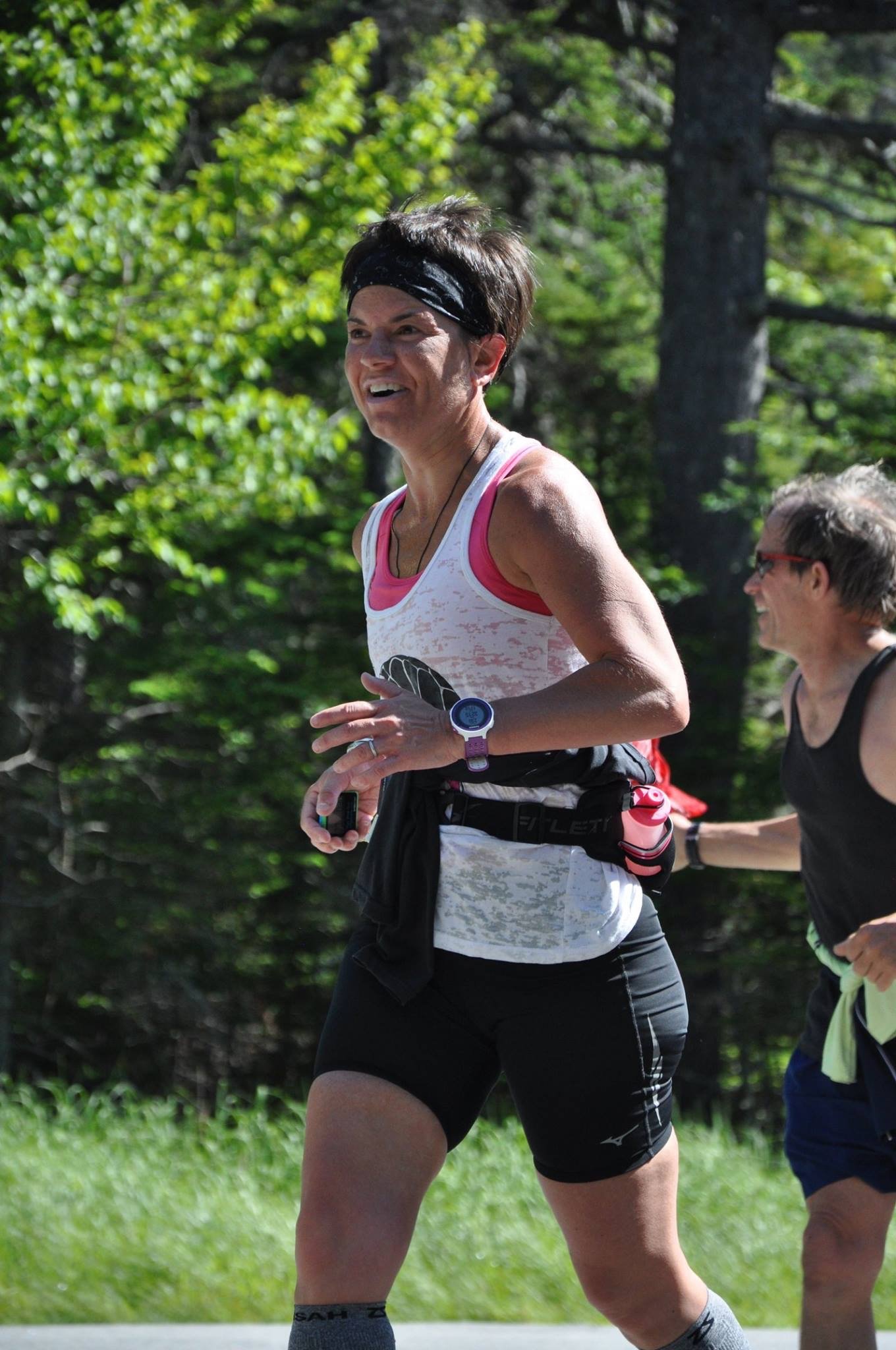 So, many months ago, I set out and found a hill. I went up and down that hill over and over again. Then, searching online, I found mountain races. And, I entered them. And, I began running up to the summits of mountains. First smaller ones, and then larger ones. But, nothing greater than 3,000 or so feet.
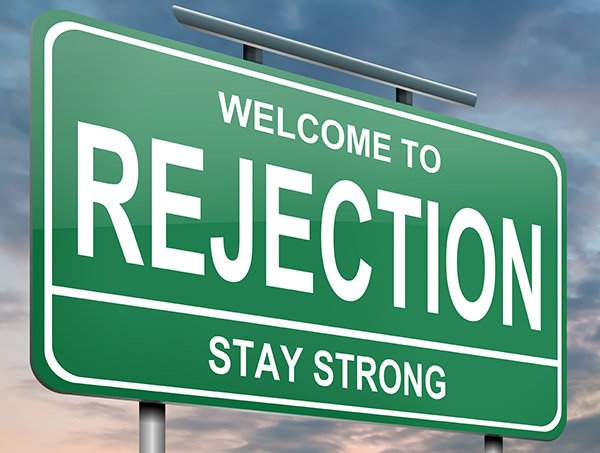
 ith fundraising? Well, a great deal. Courage. I honestly believe that the most significant characteristic of a fundraiser is courage. These exceptional individuals know that even in the most difficult times, perseverance is key, and that “this too shall pass.” Courage to get a lot of “no’s” and to be able to ask for a gift without hesitation. It is the ability to do this, with rumblings and butterflies floating around in your tummy.

 messages that I subconsciously learned about money, and they helped to develop my now adult relationship with it.
 disclosure, like other more traditionally recognized stimuli, may be inherently
  your territory. Use facial gestures that indicate happiness, open up your chest area, use hands to illustrate your words, etc.
 When I surmise this is the case, I often ask, “Have you asked your donors?” And, the response is “No, how do you ask them?”
 important to not only look at internal things that will impact your fundraising success i.e. Board of Directors, etc., but it is also critical to examine external factors as well. Some external things that may affect the success of fundraising include political factors (i.e. election time), economic (a down economy), sociocultural (changing demographics), and technology (changes in the web, social media, etc.). Development audits also tend to examine others in the industry including nonprofits serving the same type of causes, similar sizes, potential collaborators, and other market factors).