Best practices. We hear that phrase often. This week, I even read a question asking if “best practices were misleading?”
Are we throwing that phrase around to legitimize our field? Our do we have best practices and what are they?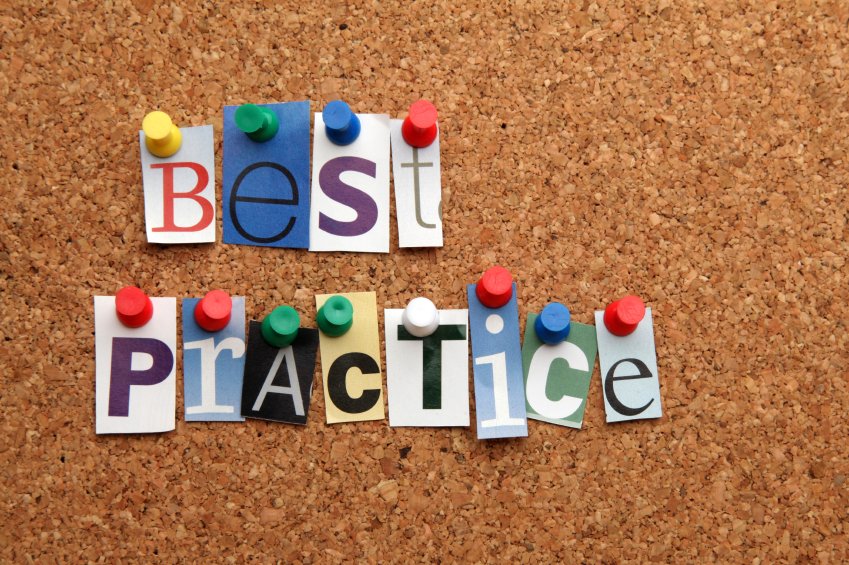
Well, I contend that the only true best practice is one that is grounded in research. Those are harder to find that than the other so-called “best practices.”
While studying for my Masters Degree in Philanthropy and Fundraising, I learned that philanthropic research has many gaps. However, there are people now making a study of philanthropy and conducting research. Folks like Adrian Sargeant and Jen Shang. More research is needed in our field to support our work.
I can tell you that when research is grounded in actual studies, it works. Eye motion studies, philanthropic psychology, etc., etc.
Recently, I have been working on many appeal letters. And, each time I craft one for the client, I get pushback. Why do you indent paragraphs? Why do you repeat yourself often? Why is there bold and underline? Do we need to include a P.S.? And, can’t the letter just fit on one page? Must we send more than one appeal?
Pushback that is unfounded. And, I push back with research. When the client allows me to use those best practices, the results speak for themselves.
When those results speak for themselves, it is magic. Campaigns get funded, new projects begin, and donors have the opportunity to make a greater impact.
We forget that the fact (and it is a fact) that we are not beggars. Donors want to give. And, to give, they must be asked. Asked in a way that moves them to feel connected to their core beliefs through your organisation’s mission.
Know the difference between unfounded best practices and best practices backed by scientific research. Read blogs, stay current with trends, and keep furthering your informal and formal education. When you do, and you practice it, your results will show all the difference.
Fund development does have a researched body of knowledge. Don’t allow anyone to convince you that it does not.
 development program in the past. However, working on these smaller campaigns can also be very satisfying because I can help them use this campaign to begin to develop these efforts. I take those campaigns that a lot of other consultants won’t touch! Many while not having a sustainable donor base to build from, often needs a campaign without doing the preliminary feasibility study. They need the money, and the campaign must go on.
 ning.
ning.
 hen there were resident consultants who upped and moved to different parts of the country to live and work at a nonprofit and become immersed in their community.
 whatever you call it in your office as a good reminder.
 understand its nuances. Then and only then will a campaign be successful.

 I have some experience with mergers. For a few years, I worked at a religious order that had decided to consolidate. Now, there could have chosen any one of several options – cea
 governance just by mear fact of the topics, the order of the items, and those responsible for reporting.